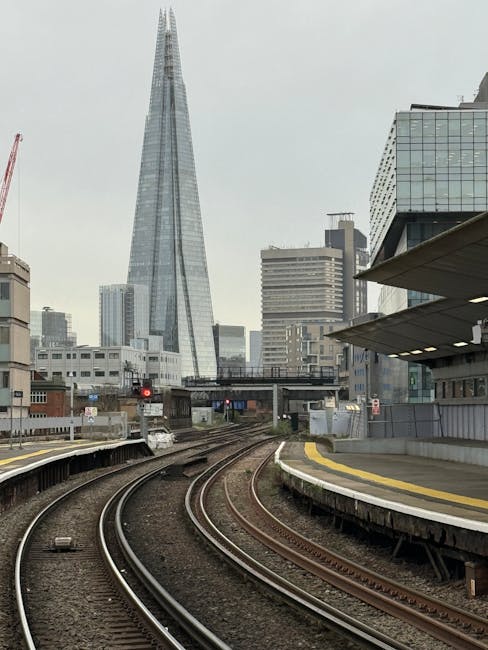
London Bridge station moving day access guide Southwark
If you are planning a move near London Bridge station, the day can feel a bit like a puzzle with too many pieces. Roadworks, tight side streets, rail crowds, loading restrictions, building access rules, and that awkward moment when a van arrives just as everyone else is trying to get through. This London Bridge station moving day access guide Southwark is here to make the whole thing feel manageable.
Whether you are moving into a flat, relocating a small office, or coordinating furniture delivery close to the station, the main challenge is usually access. Not just "can a van get there?" but "can it stop safely, can people get in and out quickly, and can the move happen without turning into a stressful queue of lift calls and apologetic phone calls?" Truth be told, that is where good planning pays off.
Below, you will find a practical guide to access, timing, route planning, building considerations, and the small details that save the day when moving in Southwark around one of London's busiest transport hubs.
Why London Bridge station moving day access guide Southwark Matters
London Bridge is not a quiet corner of Southwark where a van can just pull up and linger. It is a busy transport interchange, with heavy pedestrian flow, buses, taxis, deliveries, cycle traffic, and regular changes to road conditions. If you are moving close to the station, access planning matters because the margin for error is tiny.
A smooth move depends on three things: getting the vehicle close enough, keeping the route clear enough, and making sure the property itself is ready. Miss one of those, and the rest of the schedule starts slipping. You might find the van is delayed by traffic, the lift is reserved by another user, or the loading point turns out to be farther away than expected. Not disastrous, but enough to drain energy and add cost.
For residents and businesses in Southwark, access guidance is especially useful because many buildings around London Bridge combine modern security systems with old street layouts. One entrance may face a narrow road, while the nearest legal stopping point is half a street away. On a moving day, that half street feels longer than it sounds.
There is also a human side to it. People are usually tired, carrying boxes, answering phones, and trying to keep pets, children, or colleagues calm. A clear access plan removes a lot of background stress. That matters more than people expect.
How London Bridge station moving day access guide Southwark Works
This kind of guide is less about one single rule and more about a sequence of decisions. Start with the location, then check how vehicles, people, and items can move through it. Think in layers.
1. Assess the street and arrival point
Look at the road leading to the property. Is it suitable for a van, or only for smaller access vehicles? Is there space to stop briefly without blocking the flow of traffic? Are there height limits, width limits, or turning issues? Around central Southwark, these practical details can matter more than distance on a map.
2. Confirm property access
Check the building entrance, lift size, stairs, concierge rules, and any booking system for loading bays or service lifts. A move can look easy from the street and still be awkward once you reach the front door. One of the most common surprises is a lift that is technically available, but too small for the sofa or wardrobe you have already committed to moving. Slightly annoying. Very real.
3. Set a realistic moving window
Timing matters around London Bridge because peak travel periods change how easy it is to get in and out. Early starts can help, but only if the building is open and any neighbours or concierge staff are ready. Late starts may reduce some traffic pressure, though they can create problems with building cut-off times. The right time is the one that fits the route, the property, and the people involved.
4. Match vehicle size to the site
Sometimes a larger removal van is more efficient because it reduces trips. Sometimes a smaller van or a man and van setup is better because it is easier to place near tight streets and local access points. There is no single answer. The practical choice depends on the road, the load, and how much space you actually have to work with.
If you want a broader overview of move planning, the company's main removal services page is a useful place to start, especially if you are comparing different types of assistance for a Southwark move.
Key Benefits and Practical Advantages
A good access guide does more than save time. It reduces friction across the whole moving day. That is the real win.
- Fewer delays: When the vehicle route and parking plan are set early, crews can get to work sooner.
- Lower risk of damage: Shorter carrying distances and fewer awkward handovers mean less chance of bumping furniture or scuffing walls.
- Better coordination: Everyone knows where to go, what to bring, and who is opening which door.
- Less stress: You are not making rushed decisions while boxes are already on the pavement.
- Improved safety: Clear loading arrangements help protect pedestrians, residents, and the move team.
There is also a financial angle, even if nobody loves talking about it. Poor access can lengthen the job, increase labour time, and create avoidable complications. Planning well does not magically make moving easy, but it can make it a lot more efficient.
For people moving house, a full home moves approach can be helpful when the property is near London Bridge and the access is a bit fiddly. For business relocations, commercial moves are usually more suitable because office equipment, timing constraints, and building rules tend to be more demanding.
Who This Is For and When It Makes Sense
This guide is useful if any of the following sound familiar:
- you are moving into or out of a flat near London Bridge station;
- you need to coordinate a van around Southwark's busier streets;
- you manage a commercial relocation close to the station;
- you are handling a furniture delivery that needs tight access planning;
- you want to avoid last-minute parking or loading problems;
- you are dealing with stairs, lifts, or restricted entry windows.
It also makes sense if you are not quite sure what level of help you need. Some moves are fine with a smaller vehicle and a few capable helpers. Others are the sort where it quickly becomes obvious that a professional team would save time, limbs, and a fair bit of swearing under one's breath.
If you are comparing providers, the company's house removals and office removals pages can help you think about which type of move fits your situation. Not every job needs the same setup, and honestly, that is where many people go wrong.
Step-by-Step Guidance
Here is the practical version. This is the bit that helps on the day, not just in theory.
- Check your exact address and approach road. Map the route for the vehicle, not just for people walking. One-way streets and loading restrictions around central London can catch people out.
- Ask the building what access rules apply. Find out whether you need a lift booking, a security code, a concierge sign-in, or a restricted time slot for loading.
- Measure larger items. Sofas, beds, desks, mirrors, and wardrobes are the usual culprits. Measure door widths, hallway bends, lift doors, and stair landings too.
- Decide whether the vehicle should be small, medium, or full-size. Bigger is not always better near busy stations. Sometimes a more flexible vehicle is the smarter call.
- Prepare an unloading point. Make sure the route from van to entrance is as short and clear as possible. If you can avoid extra turns and obstacles, do it.
- Label boxes by room and priority. The first hour matters. A box marked "kettle, mugs, phone charger" is a lifesaver when the day has been long already.
- Build in a buffer. Around London Bridge, a fifteen-minute issue can become a forty-minute delay if traffic or access changes. Buffer time is not a luxury. It is survival.
- Keep key contacts ready. Driver, building manager, and whoever has the keys should all be reachable. You do not want to be standing outside with a sofa while someone is hunting for a buzzer code.
A small but useful habit: take a few photos of the entrance, nearby parking signs, and any awkward corners before the move. It sounds minor, but those pictures can help you explain the site to a removal team or sort out a plan in minutes instead of guessing.
Expert Tips for Better Results
After enough moves, a few patterns become obvious. The best days are rarely the most dramatic ones. They are the organised, slightly boring ones.
Tip 1: Treat access like part of the inventory. People remember boxes and furniture, but forget space. In busy parts of Southwark, access is just as important as the items themselves.
Tip 2: Use the quiet moments. If there is a gap before the building becomes busier, use it. Early morning before peak footfall can make loading smoother, though you should still match the building's rules and opening times.
Tip 3: Keep a "first night" bag separate. It should contain essentials: charger, toiletries, tea or coffee, medication, basic tools, documents, and a change of clothes. You will not regret it at 9pm when the tape dispenser has vanished into a box labelled "misc."
Tip 4: Avoid overfilling boxes. This is especially important if the property has stairs or a narrow lift. A box that is too heavy slows the move and makes drops more likely.
Tip 5: Talk to the move team about obstacles before they arrive. Let them know about steps, low ceilings, tight turns, pets, or any awkward concierge arrangements. The more they know, the less they have to improvise.
If you are still arranging the practical side, a service such as packing and unpacking services can reduce pressure and help keep the move flow steady, especially when time is tight.
Common Mistakes to Avoid
Most moving day problems near London Bridge are not dramatic disasters. They are small avoidable errors stacking up. That is the annoying part.
- Assuming a van can stop anywhere: In central Southwark, stopping points can be limited and time-sensitive.
- Ignoring building rules: Some properties need pre-booked lift use or specific move times.
- Not measuring furniture: A sofa that looked fine in the living room can become a problem at the lift door.
- Leaving packing until the last minute: Late packing leads to weak boxes, missing labels, and unnecessary stress.
- Forgetting the weather: Rain changes everything. Wet boxes, slippery pavements, and muddy thresholds slow the process down.
- Underestimating foot traffic: Around a major station, people are always passing through. You need to plan around them, not hope they will simply vanish.
One of the biggest mistakes is assuming that a "short move" means a simple one. Near London Bridge, a short distance can still involve tricky loading, concierge checks, and slow traffic. Short on the map. Not always short in real life.
Tools, Resources and Recommendations
You do not need fancy gear, but a few practical tools make the process much smoother.
| Tool or Resource | Why It Helps | Best Used For |
|---|---|---|
| Tape measure | Checks furniture, doorways, and lift dimensions before moving day | Flat moves, large furniture, awkward access |
| Room labels | Speeds up unloading and prevents box confusion | Homes and offices |
| Protective covers | Helps reduce scuffs, dust, and rain exposure | Sofas, mattresses, electronics |
| Photo notes on your phone | Records access points, parking signs, and tight corners | Pre-move planning |
| Removal van or man and van support | Matches vehicle size to the street and load | Local Southwark moves |
If you need a smaller, more adaptable setup, a moving van or moving truck may be suitable depending on the load and access. The key is not to choose by habit. Choose by site.
For related practical reading, the guide on deep cleaning before moving out and the article on decluttering for a smooth home transition both fit well with a move that needs tight timing and clear access.
Law, Compliance, Standards, or Best Practice
When moving near a station in Southwark, there are several practical compliance points to keep in mind. This is not legal advice, of course, but it is sensible day-to-day best practice.
First, follow any building rules around lift bookings, loading bay use, and access windows. Many residential and commercial buildings operate with clear move procedures to protect shared spaces and avoid disruption. If a concierge or managing agent sets conditions, build them into the plan rather than treating them as optional.
Second, think about safe lifting and carrying. Professional movers usually work to health and safety expectations that reduce injury and property damage. That can include proper team lifting, suitable equipment, and route checks before carrying heavy items. If you are handling the move yourself, do not be heroic. It rarely ends well.
Third, use care around public walkways and traffic. Near London Bridge, pedestrians come first. Loading and unloading should be done in a way that keeps routes clear and avoids unnecessary obstruction. If a stop or drop-off point is tight, smaller loads and staggered carrying are often safer than trying to move too much at once.
If you are booking help, it is worth checking insurance and safety arrangements before the day. The company's insurance and safety information can be helpful when you want reassurance about how a move is handled. For broader standards and company commitments, the health and safety policy and terms and conditions pages are also useful.
And yes, paperwork is a bit dull. But dull beats chaos.
Options, Methods, or Comparison Table
There is more than one way to handle access around London Bridge station. The right method depends on how much you are moving, how tight the site is, and how much hands-on help you want.
| Method | Best For | Pros | Trade-offs |
|---|---|---|---|
| DIY move with a rented vehicle | Small loads and flexible schedules | Can be cheaper, full control over timing | More lifting, more planning, more risk if access is tight |
| Man and van | Flats, small offices, local moves | Flexible, practical in tighter streets, easier to scale | May not suit very large or complex jobs |
| Full removal team | Larger homes, complex access, multi-item moves | More support, better for heavy furniture and coordination | Usually more planning required, and sometimes more cost |
For a lot of Southwark residents, the middle option is the sweet spot. A flexible local team, the right vehicle, and clear access instructions can take a lot of pressure off. If the move is office-related, the same logic applies, just with more tech, more deadlines, and fewer chances to be casual about timing.
Case Study or Real-World Example
Picture a couple moving from a flat a short walk from London Bridge station to another property elsewhere in Southwark. On paper, it looks simple. Same borough, not a huge distance, no long-haul logistics.
Then the practical issues appear. Their building needs the lift booked for a morning slot. The street outside has limited stopping space. One of their bigger pieces, a divan bed base, barely fits through the hall bend without turning it on an angle. And the only realistic loading point is busier than they expected because of station foot traffic.
What helped? They measured everything in advance, packed a small essentials bag, and told the move team about the awkward turn in the hallway before anyone arrived. They also chose a vehicle that could access the street without making the driver wrestle with an overlarge lorry on a tight road. Not glamorous. Very effective.
The move still took a bit of effort, as moves do, but it stayed orderly. No frantic reshuffling of boxes on the pavement. No argument with a wardrobe at the entrance. No late discovery that the lift was too small. Just a controlled sequence of steps, which is really what you want near a busy station.
That is the kind of result this guide is aiming for: not perfection, just fewer surprises.
Practical Checklist
Use this checklist before moving day. If you can tick most of it off, you are in pretty good shape.
- Confirm the exact move date and time window.
- Check building access rules, lift booking requirements, and any concierge instructions.
- Measure large furniture and key doorways.
- Choose the right vehicle size for the road and load.
- Plan the arrival route and loading point near London Bridge station.
- Label all boxes by room and priority.
- Prepare protective wrapping for fragile or high-value items.
- Keep keys, contact numbers, and access codes handy.
- Pack a first-night essentials bag.
- Check for weather issues and keep covers ready if rain is likely.
- Make sure parking or stopping arrangements are understood in advance.
- Leave a little buffer in the schedule. Always a bit, if you can.
Quick expert summary: around London Bridge station, a move succeeds when access, timing, and vehicle choice are aligned before anyone starts carrying boxes. The move feels easier because the awkward parts have already been dealt with. That is the whole trick, really.
Get a free quote today and see how much you can save.
Conclusion
Moving near London Bridge station in Southwark does not have to be overwhelming. It does, however, reward people who plan access carefully and do not leave the details to chance. Once you know where the vehicle can stop, how the building works, and what the route looks like inside and out, the whole job becomes much more manageable.
That is the heart of a good moving day access plan: fewer unknowns, fewer delays, and a calmer day for everyone involved. Whether you are moving a flat, an office, or just a few important pieces, the right preparation makes a noticeable difference. Small details, big impact. Funny how often that turns out to be true.
If you are ready to make the process easier, start with the access basics, ask the right questions early, and choose support that fits the site rather than forcing the site to fit the move. You will thank yourself later, probably with a cup of tea and a much quieter afternoon.
Frequently Asked Questions
What should I check first for a move near London Bridge station?
Start with the approach road, loading point, and building access rules. Those three things usually decide whether the day runs smoothly or turns into a delay-heavy scramble.
Is a man and van service enough for Southwark moves near the station?
Often, yes, especially for flats, smaller homes, or local relocations. It is a sensible option when access is tight and you do not need a larger removal setup.
How far in advance should I plan access for moving day?
As early as you can. For a building near London Bridge, it is wise to confirm access details well before moving day so you can sort parking, lifts, and timing without rushing.
Do I need to book a lift or service entrance in advance?
In many buildings, yes. Some residential blocks and office properties require bookings for lifts or loading areas, so check with the managing agent or concierge early.
What if my furniture is too big for the lift?
Measure before the move and talk to the removal team about alternatives. Some items may need to be taken via stairs, dismantled, or handled by a different route.
Can traffic around London Bridge affect my moving time?
Very much so. The area is busy, and traffic or pedestrian flow can change how quickly a van reaches the property and how long loading takes.
Is it better to move early in the morning?
Sometimes, yes, because roads can be a little quieter. But the best time still depends on building access hours, lift bookings, and any restrictions that apply to your property.
What should I do if I cannot park right outside the building?
Plan for a short carry distance and make sure the route is clear. If parking is limited, smaller vehicles or a more flexible move setup may work better.
Are there safety issues I should think about on moving day?
Yes. Watch for pedestrians, uneven pavements, heavy lifting, and wet surfaces. If the move involves awkward items or tight stairways, professional support can reduce the risk of injury or damage.
How can I make a Southwark move less stressful?
Measure items, label boxes, confirm access, and keep essentials separate. Those simple steps make a bigger difference than people expect. A calm start usually leads to a calmer finish.
Should I choose a larger van to save time?
Not automatically. In a tight area near London Bridge, a larger van can make access harder. Choose the vehicle that best fits the road and the amount you are moving.
Where can I learn more about move preparation and related services?
You can explore the company's pages on removals, man and van removals, and the blog for practical moving advice that fits local Southwark jobs.