Recycling and Sustainability at Southwark Removals
 At Southwark Removals, recycling is not treated as an afterthought. It is built into the way we plan, pack, transport, and clear items for homes and businesses across Southwark and the wider London area. Our recycling and sustainability approach is designed to reduce waste, support local reuse, and keep useful materials in circulation for as long as possible. We aim to divert at least 90% of suitable materials away from landfill, combining reuse, donation, sorting, and responsible recycling to meet that target.
Southwark and neighbouring boroughs have well-established systems for managing household and commercial waste, and we work in step with those local expectations. That means paying close attention to the separation of paper, cardboard, plastics, metal, glass, textiles, and electrical items. In areas where borough recycling rules vary slightly, our team makes sure items are sorted correctly before leaving site. This helps prevent contamination and improves the chances that materials can be processed efficiently at the right facilities.
We also make practical use of local transfer stations and recycling facilities to reduce unnecessary travel and keep collections efficient. By choosing nearby transfer points where possible, Southwark removals recycling activity supports a lower-carbon operation and fewer empty miles on the road. Careful routing helps us avoid wasted fuel while ensuring that reusable goods, recyclable packaging, and mixed waste streams are directed to the most appropriate destination.
Local Reuse, Donation, and Sorting
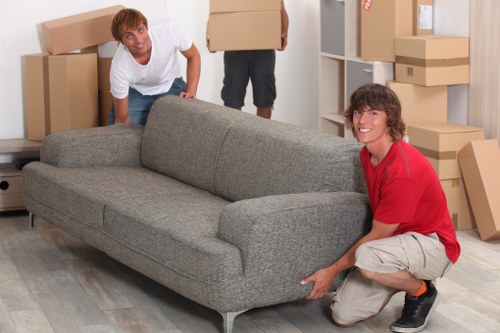 A major part of our sustainability work is to identify items that can be reused rather than broken down as waste. Furniture in good condition, household goods, office equipment, and surplus storage items may be passed to partner charities or community organisations, depending on suitability and safety. This approach extends the life of belongings and reduces the amount sent to processing plants. It is especially useful during office clearances and property moves where there may be a mixture of desirable furniture, packaging, and general waste.
When items are not suitable for donation, our team separates them by material so they can enter the correct recycling streams. For example, cardboard and paper from move-day packaging are kept apart from plastics and polystyrene, while metals from shelving, filing units, and fixtures are routed separately where possible. We also manage light electricals and mixed office waste with attention to local rules, helping ensure that recycling in Southwark is handled in a way that fits the borough???s wider waste separation approach.
Our partnerships with charities are an important part of this process. By working with selected donation partners, we can help redirect usable items to causes that benefit families, community projects, and people setting up new homes. This is especially valuable for items that may no longer suit one property but still have years of use left in them. In practice, that means a move can be more than a disposal exercise: it becomes an opportunity to support local social value as well as environmental goals.
Low-Carbon Vans and Cleaner Transport
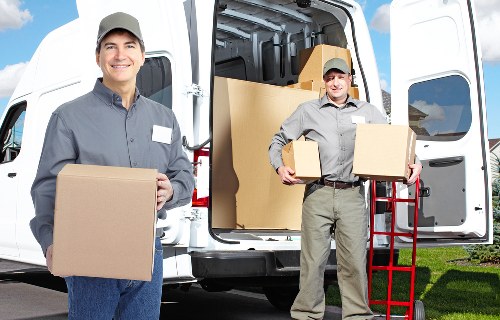 Transport is one of the clearest areas where we can lower environmental impact, which is why our fleet includes low-carbon vans designed to improve fuel efficiency and reduce emissions. We use modern vehicles that are maintained for optimal performance, with route planning that supports fewer unnecessary journeys and better load management. This matters in London, where stop-start traffic can otherwise increase emissions quickly. By combining efficient driving practices with smart scheduling, Southwark Removals sustainability efforts stay practical and measurable.
The way we load vans also supports our environmental goals. A well-planned load reduces repeat trips and helps us move more items in a single run, which lowers fuel use and cuts the total carbon footprint of a removal or clearance. For larger jobs, we use logistics planning to group collection points and deliveries in a sensible order. This is particularly relevant for Southwark, where dense streets, limited parking, and mixed-use buildings require efficient movement and careful coordination.
We also pay attention to the materials we handle before they even leave a property. Where possible, we remove packaging in a way that keeps recyclable items clean and separate. Bubble wrap, boxes, tape, office paper, and shrink wrap can often be diverted into the proper channels when they are sorted early. That simple discipline supports the borough-style approach to waste separation seen across central and inner London, where contamination can quickly reduce the value of recyclable material.
A More Responsible Way to Move
At Southwark Removals, sustainability is not limited to one stage of the job. It runs through every part of the process, from the first assessment of what can be reused to the final drop-off at a transfer station or charity partner. We believe a removal company should contribute to the circular economy by extending product life, reducing disposal volumes, and making thoughtful choices about transport and sorting. That is why our work combines practical logistics with a clear environmental focus.
 The result is a service that supports both customers and the community. A flat move, office clearance, or partial declutter can generate a surprising amount of material, but with careful handling, much of it does not need to become waste. Items can be donated, materials can be recycled, and journeys can be reduced through efficient planning. This is where Southwark removals recycling can make a real difference, especially in a borough that already places strong emphasis on separation, reuse, and responsible disposal.
 As London continues to push toward cleaner transport and more circular waste systems, we are committed to doing our part through responsible recycling, charitable partnerships, and low-emission vehicle use. Whether it is cardboard from a house move, metal from an office clear-out, or furniture suitable for donation, we aim to direct each item to the best possible destination. That is what sustainable removals should look like: efficient, local, and built around reuse wherever possible.