Commercial Moves in Southwark
When a business in Southwark needs to move, the job is rarely simple. Offices sit alongside retail units, creative studios, health practices, hospitality venues, and managed workspaces, all within a borough that is busy, varied, and full of time-sensitive activity. A good move needs careful planning, the right equipment, and a team that understands how to work around access limits, lift bookings, loading restrictions, shared entrances, and the everyday pressure of keeping a business running.
That is why Commercial Moves in Southwark need a local, practical approach rather than a one-size-fits-all solution. Whether you are relocating a small office near Borough, moving part of a team in London Bridge, or shifting stock and fixtures for a shop in Bermondsey or Peckham, the process should be organised around your operations. The aim is not just to transport items from one place to another. It is to protect equipment, reduce disruption, and help your business reopen or resume work as quickly as possible.
Southwark has its own challenges. Many commercial properties are in converted buildings, mixed-use developments, narrow streets, or busy high-footfall areas. Some premises have basement storage, upper-floor offices, limited parking, or strict building management rules. A local moving team can plan for these realities and help prevent last-minute delays. If you are preparing for a relocation, refurbishment, lease end, or business expansion, it makes sense to request a free quote and start planning early.
Why businesses in Southwark need a tailored moving service

Commercial removals are different from domestic moves because there is more at stake than furniture. Computers, filing systems, retail stock, specialist tools, display units, archive boxes, and reception equipment may all need to be handled in a specific order. Many businesses also need the move completed outside standard hours, in stages, or with minimal interruption to staff and customers. That is especially true in a busy area like Southwark, where offices, restaurants, and professional services often operate close to one another and share public access points.
In places such as Bankside, Elephant and Castle, Waterloo, and the streets around Southwark Station, access can be affected by traffic, local restrictions, timed loading bays, or pedestrian flow. Some commercial buildings also require move-in permissions, lift reservations, or protection for communal areas. A proper moving plan takes these conditions into account from the start. This reduces the risk of damage, keeps the schedule realistic, and gives your team confidence that the relocation will be handled professionally.
For many organisations, a move is not only about relocation but also about continuity. Staff need workstations set up, documents kept in order, and essential systems available when the business reopens. That is why good commercial removal support includes more than lifting and driving. It includes packing advice, labelled sorting, careful handling, route planning, and clear coordination on the day. If you want a move that feels controlled rather than chaotic, booking an experienced local team is the right place to start.
What our commercial moving service can include

Every business move is different, so the service should be built around your space, your schedule, and the items being relocated. For some customers, that means a full office move. For others, it may involve transporting part of a workspace, shifting archived files, relocating shelving, or moving equipment between floors or nearby buildings. A flexible service is especially useful in Southwark, where businesses range from small studios and clinics to larger shared offices and trading spaces.
Typical tasks included in a well-planned commercial move may cover:
- Pre-move planning and move-day coordination
- Packing support for office contents, files, and equipment
- Safe dismantling and reassembly of desks, shelving, and furniture
- Transport of workstations, chairs, cabinets, and meeting room furniture
- Handling of IT equipment and sensitive electronics with care
- Relocation of retail stock, fixtures, or back-of-house items
- Labelled sorting to keep departments or teams organised
- Protection for floors, walls, lifts, and communal areas where needed
- Loading and unloading using suitable vehicles and equipment
Some customers only need help with the heavier parts of the move. Others want a fuller service that includes planning the sequence of removal, coordinating access, and placing items in the right rooms at the new site. Either approach can be valuable, depending on your business type and timeframe. The most useful move is the one that reduces stress and keeps your transition efficient. If you are unsure how much support you need, contact us today to discuss the scale of the job and the best way to structure it.
Local knowledge matters in Southwark

Choosing a team with local experience can make a measurable difference to your move. Southwark has a mix of modern developments, older commercial properties, busy road links, and densely used neighbourhoods. A mover who understands the area is better equipped to manage access, timing, and loading constraints without wasting your time. They are also more likely to know how to work around conditions such as one-way streets, parking controls, shared entrances, and limited turnaround space.
That local understanding is especially valuable around busy commercial and mixed-use zones such as London Bridge, Borough, Southbank, Bermondsey, Camberwell, Peckham, Rotherhithe, and Walworth. Office buildings in these areas may involve concierge procedures, lift scheduling, or restricted unloading windows. Retail units may require early-morning or late-evening attention to avoid disrupting trading. Creative and professional spaces may have fragile contents or specialist furniture that needs a careful, quiet approach.
Local knowledge also helps when the move involves multiple destinations, storage, or phased relocation. A team familiar with Southwark can plan efficient routes and anticipate bottlenecks that an out-of-area provider might miss. This matters because even a small delay can affect staff hours, opening times, and delivery schedules. For businesses that cannot afford to lose momentum, working with a nearby team offers a practical advantage from the first survey to the final placement of items.
Types of commercial moves we support

Commercial relocations in Southwark come in many forms, and each one requires a different balance of speed, care, and coordination. A law firm moving archive boxes and desks will need a different approach from a restaurant shifting refrigeration units, or a design studio relocating screens and prototype materials. Understanding your sector is part of delivering a reliable service. It helps the move feel structured and reduces the likelihood of missing key items.
We regularly support moves for businesses such as:
- Offices and shared workspaces
- Retail shops and showrooms
- Hospitality venues, cafes, and bars
- Professional practices and consultancies
- Medical, therapy, and wellness rooms
- Educational, training, and coaching spaces
- Warehouses, storage rooms, and stock areas
- Creative studios and production spaces
Some businesses require a complete relocation, while others only need part of the operation moved. For example, a company may keep staff working in one building while transferring archived records to another. A retailer may move display stock and fixtures while keeping most back-of-house supplies in place until a second stage. This kind of phased service can reduce downtime and make the move easier to manage. If your business is growing, downsizing, refitting, or preparing for a lease change, a flexible commercial moving plan can make the transition much smoother.
How the moving process usually works
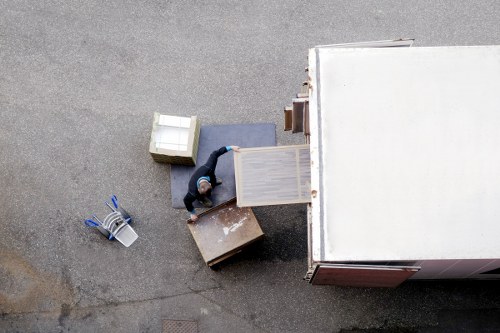
A well-run business move should feel organised from the outset. The exact schedule will depend on your property, volume, access conditions, and deadline, but most commercial moves follow a sensible structure. Planning early allows everyone involved to understand what is being moved, where it is going, and which tasks need to happen before moving day. That is particularly important in Southwark, where access slots and building rules may affect the timing of the move.
In general, the process may include the following stages:
- Initial enquiry and discussion of the move size, location, and timeframe
- Assessment of items, access points, parking, and building restrictions
- Planning for packing, dismantling, and any specialist handling
- Scheduling the move at a time that reduces business disruption
- Loading, transport, and delivery to the new premises
- Placement of items in the correct areas for easy setup
- Reassembly of furniture or office units where required
Good communication makes this process much easier. If your team has internal responsibilities, such as packing personal desks or labelling file boxes, those tasks should be agreed in advance. Likewise, if the new premises require lift bookings, access codes, or delivery sign-in procedures, it helps to share that information before the move begins. The more the details are clarified early, the less likely you are to face avoidable disruption on the day.
Practical benefits of using a local commercial mover
There is a real difference between moving a business with general help and moving it with a team that understands commercial logistics. A local provider can respond more quickly, visit the premises if needed, and adjust plans around Southwark’s building layouts and traffic patterns. That kind of flexibility is useful for last-minute changes, staged moves, or jobs that must be completed within a narrow window.
Some of the main benefits include:
- Less disruption to staff, customers, and daily operations
- Better route and access planning for busy urban streets
- More suitable handling of office equipment and business assets
- Clearer coordination for phased or multi-site moves
- Reduced strain on your team during an already demanding period
- Flexible scheduling to suit opening hours or building rules
- Local awareness of Southwark’s varied property types
For many customers, the value of a local team is not only speed but confidence. You know the move is being handled by people who have likely worked in similar buildings, similar streets, and similar time restrictions before. That experience can save both time and frustration. When your business needs to keep moving, this level of practical support is worth having in place.
Access, parking, and building challenges in Southwark
Southwark is a lively and densely used part of London, and that creates real logistical considerations for commercial removals. Some premises have no private parking, while others are located on streets with limited stopping time or shared loading areas. Buildings may have narrow corridors, stairwells, protected flooring, or lift access that must be arranged in advance. None of these issues are unusual, but they do need to be planned properly.
Businesses near busy corridors such as London Bridge, Elephant and Castle, Borough High Street, and the riverside can also experience periods of heavy traffic. That makes timing important, especially if the move involves larger furniture, multiple vehicle loads, or equipment that should not be left waiting outside. In some cases, the best answer is an early start or an out-of-hours move. In others, a split move over more than one visit is the smarter option.
If your property is in a converted building, a high-rise office, a shared workspace, or a mixed-use development, it helps to check the move rules in advance. Building management may need notice, insurance details, lift protection measures, or a defined arrival window. A local moving company can work with those requirements and help reduce friction between tenants, managers, and contractors. That makes the move more orderly and helps everyone involved avoid unnecessary delays.
How to prepare your business for moving day
Preparation is one of the most effective ways to keep a commercial relocation on schedule. Even if a moving team is handling the heavy lifting, your staff can help by organising items in advance and making sure key information is clear. Good preparation also lowers the chance of missing equipment or mixing up departments, which is especially important for offices, clinics, and retail businesses with many small items.
A practical preparation checklist may include:
- Decide what is moving now and what is staying behind
- Label desks, boxes, and furniture by department or room
- Back up digital files before disconnecting equipment
- Separate confidential documents for secure handling
- Remove loose items from desks, shelves, and drawers
- Confirm parking, access times, and building instructions
- Notify staff of the moving schedule and their responsibilities
- Identify fragile, heavy, or specialist items in advance
- Keep a box of immediate essentials for the first day at the new site
It is also sensible to prepare the new premises before the move arrives. If you know where each department or section will be placed, loading and unloading can be much quicker. Clear walkways, unlock the relevant rooms, and ensure there is space to place boxes without blocking access. If you are managing a business relocation for the first time, book your service now and ask about the best way to prepare based on your premises and item list.
What affects the cost of a commercial move?
Every commercial move is different, so pricing depends on a number of practical factors rather than a flat approach. The cost is usually shaped by the size of the move, the number of items, the distance between properties, and the level of support needed. Moves in Southwark can also be affected by access conditions, loading time, parking arrangements, and whether the job needs to happen outside normal working hours.
Typical factors that may influence the final quote include:
- Volume of furniture, equipment, and boxes
- Number of floors involved at either property
- Need for dismantling and reassembly
- Time restrictions or out-of-hours scheduling
- Parking difficulty or waiting time at the site
- Special handling for fragile, heavy, or high-value items
- Whether packing materials and labour are required
- Distance between the current and new premises
The best way to keep costs manageable is to be clear about the move from the start. A proper conversation about the size and complexity of the job helps produce a realistic quote and avoids surprises on the day. If you are comparing options, look for a mover who explains the work clearly, asks the right questions, and understands the realities of commercial removals in a busy borough like Southwark. That level of openness is usually more helpful than a vague estimate with missing details.
Why businesses choose a local Southwark team
There are many reasons a local company is a smart choice for commercial removals in this area. One of the biggest is responsiveness. If your plans change, your access window shifts, or your building management adds an extra requirement, it is easier to work with a nearby team that can adapt quickly. Local knowledge also means fewer wasted minutes spent figuring out route options or access problems on move day.
A Southwark-based or Southwark-focused mover is also more likely to understand how the area’s commercial spaces function. That includes busy office corridors near transport links, retail premises in high-footfall streets, and converted buildings that may present awkward staircases or narrow entrances. This experience matters because it helps the team choose the right tools, the right vehicle, and the right order of work. It is a practical advantage that can reduce stress across the whole relocation.
Another advantage is accountability. When a company works locally, it has a stronger incentive to keep communication clear and deliver a professional standard. For your business, that means more confidence in the planning stage and a better chance of an efficient move. If you need a dependable approach for an office, shop, studio, or shared workspace, a local commercial moving service can be a straightforward and sensible solution.
Areas covered across Southwark
Commercial move requirements can vary from one neighbourhood to the next, even within the same borough. A team that works across Southwark should be prepared for the different layouts and property types found in central, riverside, residential, and mixed-use districts. That flexibility helps ensure the move is realistic from the outset and not based on assumptions that do not fit your building.
We can support commercial moves across areas including:
- Borough
- London Bridge
- Bankside
- Waterloo
- Elephant and Castle
- Bermondsey
- Rotherhithe
- Peckham
- Camberwell
- Walworth
- Nunhead
- Old Kent Road and nearby business locations
These areas contain a wide range of premises, from modern office floors and refurbished warehouses to small retail units, treatment rooms, and creative workspaces. If your business is located just outside these neighbourhoods but still relies on Southwark access, we can usually plan around that as part of the move. The key point is to assess the route, the building access, and the logistics early so the relocation can proceed with fewer complications.
Frequently asked questions
Can you move a business outside normal working hours?
Yes, in many cases this is possible, and it is often helpful for businesses that cannot afford to interrupt trading or client appointments. Out-of-hours or weekend scheduling can reduce downtime and make the transition easier for staff and customers.
Do commercial moves need special packing?
They often do. Office equipment, files, glass items, electronics, and branded display materials may all need careful packing and labelling. The right packing method helps keep items organised and protected during transport.
What if my premises have limited parking or loading space?
That is very common in Southwark. A local mover can plan the timing, vehicle position, and loading sequence to suit the site. In some cases, a shorter vehicle stop or a staggered load-in may be the better approach.
Can you move only part of our office or stock?
Yes. Many businesses only need a partial move, such as a department, a few rooms, archive storage, or selected furniture and equipment. A phased relocation can be a sensible way to keep the business running.
How far in advance should we book?
As early as possible. Larger moves, access-restricted sites, and time-sensitive relocations benefit from advance planning. Early booking also helps with coordination across staff, building managers, and any equipment handling requirements.
Will you help with dismantling and reassembly?
That can often be included depending on the furniture and the scale of the move. Desks, shelving, and modular office items are commonly handled this way to make transport safer and more efficient.
Choosing the right service for your business type
Not every company needs the same level of support. A small consultancy moving a handful of desks may need a simple and efficient service. A larger organisation with several rooms, archive materials, and IT equipment may need a more detailed plan. Retail and hospitality customers may also need to think about stock rotation, off-site storage, or the need to move items without interrupting trading hours.
For offices: focus on equipment protection, file organisation, workstation labelling, and fast setup at the new site.
For retail: focus on stock handling, fixture movement, display protection, and minimising the time the unit is closed.
For hospitality: focus on equipment safety, back-of-house items, and coordinating the move around your service schedule.
For clinics and professional spaces: focus on confidentiality, careful handling of sensitive items, and a tidy, discreet process.
Whatever your sector, the goal is the same: keep the move controlled and business-ready. If you are unsure what level of support suits your premises, a conversation before the move can help shape the right plan. That way, the service is aligned with your real needs rather than a generic checklist.
Start planning your move with confidence
A commercial relocation does not have to become a source of chaos. With the right planning, a clear schedule, and a team that understands Southwark’s access and property challenges, the process can be handled in a much more manageable way. Businesses across the borough need moves that protect assets, respect deadlines, and support a fast return to normal operations. That is exactly why a local, organised approach matters.
If you are preparing for office relocation, shop movement, workspace reconfiguration, or any other commercial move in the borough, now is the right time to take the next step. Contact us today to discuss your requirements, request a free quote, and arrange a move plan that fits your property and your timetable. The sooner the details are confirmed, the smoother your relocation is likely to be.
Whether you are moving within Southwark or relocating to a nearby area, the best results come from good planning and clear communication. A reliable commercial moving service can help make that transition easier, safer, and more efficient for everyone involved.