Home Moves in Southwark
If you are planning home moves in Southwark, you are probably already thinking about the practical side of the day: getting everything out safely, moving through tight hallways, protecting your belongings, and making sure the whole process runs on time. Southwark is a busy, varied part of London, and that means every home move comes with its own challenges. From compact flats near transport links to family houses on quieter residential streets, moving here calls for a service that understands the local area and the realities of city living.
Whether you are relocating across the borough, moving a short distance within Southwark, or heading out to another London district, the right moving support can make a significant difference. A local team can help with planning, lifting, transport, and careful handling of items, while also dealing with common issues such as stairs, parking restrictions, controlled access, and narrow roads. If you want a smoother, less stressful move, contact us today to discuss your requirements and request a free quote.
For many households, moving is more than a simple collection of boxes. It may involve dismantling furniture, protecting fragile items, managing family schedules, or coordinating around work and school. A professional service is valuable because it can be shaped around the size of your property, the amount you need moved, and the specific constraints of your address. In Southwark, that local knowledge matters.
Why local home moving support matters in Southwark

Southwark is one of those places where two homes just a few streets apart can be very different to move from. A top-floor flat in a converted building may involve narrow stairways and limited parking, while a modern apartment block may have lift access but strict moving time slots and building rules. A terraced house can offer a different set of challenges again, especially if the frontage is tight or the street is busy at certain times of day.
Choosing a local service for home moves in Southwark means choosing a team that understands how to work around these practical issues. It also means having movers who are familiar with the pace of the area, the traffic patterns, and the types of properties found in neighbourhoods such as Bermondsey, Camberwell, Dulwich, Peckham, Walworth, Rotherhithe, and the areas around London Bridge and Elephant and Castle.
That local familiarity can save time on moving day and reduce stress. It helps with route planning, access checks, timing, and deciding what type of vehicle and team size may be needed. When moving day arrives, those details matter more than most people expect.
Our Southwark home moving service
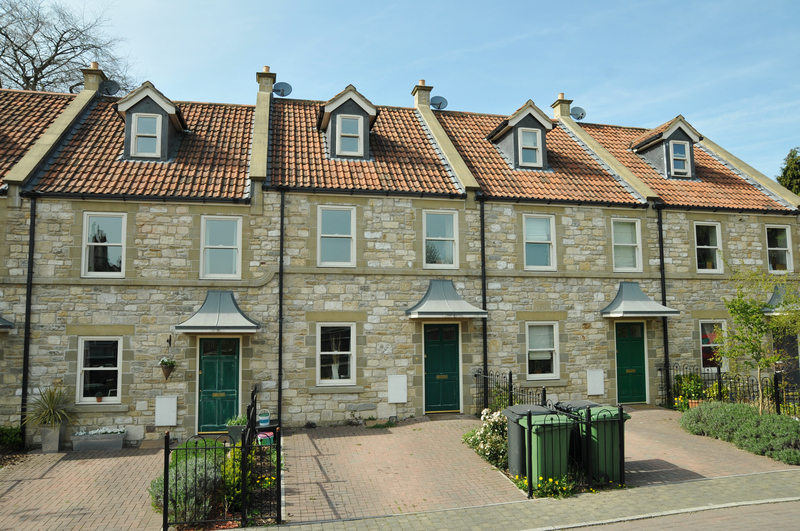
A good moving service should be built around your actual needs, not a one-size-fits-all approach. Home removals in Southwark often include everything from a small one-bedroom flat move to a larger family relocation, and the service should be flexible enough to handle both. The aim is to keep your belongings safe while making the process efficient and manageable.
Typical support can include:
- Packing assistance for selected items or the full home
- Furniture dismantling and reassembly where needed
- Careful loading and unloading of boxes and household goods
- Transportation for local or longer-distance moves
- Protection for fragile, bulky, or awkward items
- Help with moving between flats, houses, and mixed-use buildings
- Coordination for homes with limited access, stairs, or restricted parking
Many customers also need help with specialist items such as wardrobes, dining tables, white goods, mirrors, artwork, or boxed collections. A reliable removals team will assess these items in advance and plan the move so that everything is handled in a sensible order. This is especially useful when dealing with busy streets or buildings where loading time is limited.
Strong local moving support is also useful for people who are downsizing, upsizing, moving in with family, or relocating after a sale or rental change. In each case, the process can be tailored so you only pay for the support you actually need.
What makes Southwark moves different?

Southwark combines busy urban centres, residential neighbourhoods, river-adjacent streets, and a wide variety of housing stock. That variety is part of what makes the borough vibrant, but it also means home moves here can be more complicated than they first appear. Access, parking, and timing can all influence how smoothly the day goes.
Some of the common challenges customers face include:
- Parking restrictions: Streets may have controlled zones, limited bays, or loading-only restrictions, so vehicle placement needs to be planned in advance.
- Stairs and lifts: Many buildings have multiple flights of stairs or shared lifts that cannot be booked all day.
- Narrow entrances: Older homes and converted properties can have tight hallways, sharp turns, or door frames that make larger furniture difficult to move.
- Busy roads: Main routes can be congested at peak times, especially around central Southwark and transport hubs.
- Building rules: Flats and managed developments may have set moving times or requirements for protective floor covering.
These are the sorts of practical concerns that a local moving company can help you anticipate. Even simple advice about the best time to start, how to stack items, or what should be packed separately can make a noticeable difference. When the right preparation meets the right team, the moving day becomes much more manageable.
Southwark also includes a mix of residential and commercial customers. Families, tenants, first-time buyers, landlords, and office-based businesses all move within the borough, and a local removals service should be able to adapt accordingly. The same team may help with a flat move one day and a small business relocation the next, provided they have the right equipment and planning in place.
How the home moving process works

Most people want a moving process that is straightforward and easy to understand. While every move is different, a typical home moving service in Southwark follows a clear sequence so you know what to expect. Keeping the process transparent is a major part of reducing stress.
1. Initial enquiry and move details
You begin by sharing the basic details of your move: your current property type, your destination, any access issues, the number of rooms involved, and whether you need packing or furniture handling. This information helps shape an accurate plan and allows the team to understand the scale of the job.
2. Survey or item discussion
Depending on the size of the move, you may be asked to provide an inventory or arrange a visit so the mover can assess what needs to be transported. This is especially helpful for larger homes, properties with awkward access, or moves involving bulky furniture and fragile pieces. It helps reduce surprises on the day.
3. Planning and timing
The next step is practical planning. This may involve deciding on the best start time, considering local traffic, confirming parking arrangements, and identifying any building rules or lift bookings. In Southwark, timing can matter a great deal, particularly if you are moving from a busy street or into a managed apartment building.
4. Packing and preparation
If packing support is included, items will be packed securely using the appropriate materials. If you are packing yourself, the team can still advise on how to label boxes, separate essentials, and prepare furniture for moving. Good preparation reduces the risk of damage and helps unloading go faster at the other end.
5. Moving day loading and transport
On the day itself, the team will load items carefully, making sure heavier pieces are managed correctly and fragile items are secured. The vehicle used should be suitable for the volume of your belongings and the access conditions at both addresses. A well-planned loading order can save time and reduce unnecessary handling.
6. Delivery, unloading, and placement
Once at your new property, items are unloaded and placed in the appropriate rooms where possible. If furniture has been dismantled, reassembly can often be arranged as part of the service. This final stage is about helping you settle in as quickly as possible, without having to move the same items more than once.
What is included in a typical move?

When people compare moving services, one of the first questions is what is actually included. The answer can vary depending on the size of the move and the support you choose, but a strong home removals service should cover the key stages that make the day easier and safer.
Common inclusions may involve:
- Vehicle and labour for the agreed moving job
- Collection and delivery between the two addresses
- Loading and unloading of household contents
- Basic furniture protection and secure handling
- Dismantling and reassembly for certain items
- Assistance with access planning
- Optional packing and unpacking support
Not every move will require all of these services. For example, someone moving a small flat may only need transport and loading help, while a family moving from a larger house may want full support, including packing, furniture handling, and placement at the new address. The best approach is to choose the level of help that fits your timeline, budget, and moving day confidence.
It is also worth discussing special items in advance. Pianos, large mirrors, glass tables, antique cabinets, and electronics may need extra care or separate planning. A sensible removals team will explain how these items are handled and whether any additional preparation is needed before moving day.
Moving home in Southwark: who we help
Southwark is home to a wide mix of residents and businesses, and home move services need to reflect that variety. Some customers are moving within the borough, others are entering Southwark for the first time, and some are leaving after many years. Each move is personal, but the practical requirements often overlap.
Residential moves
Residential customers include tenants, homeowners, first-time buyers, families, downsizers, and people moving between temporary and permanent accommodation. Some require a fast turnaround between tenancies, while others need a careful move from a large family property into a smaller, easier-to-manage home. Whether the move is local or cross-London, a structured plan makes the process much easier.
Moves for apartments and managed buildings
Apartment moves are common in Southwark, especially near transport connections and regeneration areas. These moves often involve lift access, shared hallways, and building management rules. A local mover can help coordinate the timing and logistics so that your move takes place within the allowed window and without unnecessary disruption to neighbours or building staff.
House moves
Traditional house moves may involve more furniture, more boxes, and more rooms to manage. In Southwark, many houses also include split levels, loft spaces, or rear access considerations. A moving team should account for these details early on, so large items are moved safely and efficiently.
Commercial and mixed-use moves
Although this page focuses on homes, many local removal companies also support smaller commercial customers. This can include home-based businesses, studio spaces, or mixed-use premises where household and business items are being moved at the same time. If your move includes office furniture, filing, stock, or equipment, it is worth explaining that from the outset so the service can be planned properly.
Preparation checklist for a smoother move
Good preparation makes a real difference to the success of home moves in Southwark. Even when you have professional movers, there are a few simple steps that can help the day go more smoothly and reduce the chance of delays. Use the checklist below as a practical starting point.
Before moving day
- Confirm your move date and time as early as possible
- Check whether your building has lift bookings or access rules
- Arrange parking or loading permissions if needed
- Sort items into keep, donate, recycle, and dispose piles
- Label boxes clearly by room and priority
- Pack essentials separately for the first night in your new home
- Measure larger furniture and key entry points if access may be tight
- Defrost and clean fridges or freezers if they are being moved
- Keep important documents, keys, and valuables with you
Packing tips that help on the day
Pack heavier items in smaller boxes so they are easier to carry. Use sturdy tape, wrap breakables carefully, and avoid leaving boxes partially filled. If you are packing books, kitchen items, or tools, distribute weight evenly so the cartons stay manageable. For fragile items, use extra padding and mark boxes clearly so they can be loaded in a suitable place in the vehicle.
It also helps to prepare a separate essentials box containing chargers, toiletries, kettle items, a change of clothes, medication, snacks, and anything you will need immediately on arrival. That way, you are not searching through every box after a long day.
If you are unsure about packing a particular item, ask before the move rather than guessing. It is much easier to solve a small problem in advance than to deal with a damaged item or a delayed loading process on the day.
Pricing factors for home removals
Customers often want to know what affects the cost of a house move, and while it is not helpful to talk about exact prices without knowing the details, there are several common factors that influence the final quote. Understanding these can help you compare services fairly and choose the right level of support.
What may affect the quote
- The size of the property and volume of items to be moved
- The distance between the old and new address
- Whether packing, dismantling, or reassembly is needed
- Access conditions such as stairs, lifts, or long carries
- Parking and loading difficulties at either location
- The number of movers required for the job
- Any special handling needs for delicate or oversized items
- Timing requirements, including weekends or restricted windows
In a borough like Southwark, access can have a direct effect on the shape of the service. A simple local journey may still require careful planning if the property is on a busy road or in a development with limited loading space. The better the information you provide at the enquiry stage, the more accurate and useful the quote will be.
It is sensible to ask what is included in the price and whether there are additional options for packing materials, furniture disassembly, or storage support if your moving dates do not line up neatly. Clear communication helps avoid confusion and makes budgeting easier.
Why choose a local company for a Southwark move?
When you are moving home, convenience is important, but so is trust. A local company can often provide a more practical and responsive service because it understands the area and the expectations of nearby customers. For Southwark residents, that can mean fewer delays, better planning, and more relevant advice.
Benefits of choosing local movers
- Better understanding of local streets and access issues
- More practical planning around parking and timing
- Experience with flats, maisonettes, terraces, and conversions
- Suitable support for both short local moves and longer relocations
- Flexibility for different household sizes and moving needs
- Familiarity with residential estates, managed buildings, and mixed-use areas
Local movers are often better placed to understand the realities of the borough, not just the postcodes. That may include navigating around busy junctions, considering school-run traffic, or working around delivery restrictions in central areas. These details may seem small, but they can have a meaningful effect on how smooth the move feels.
For many customers, the value of a local service is not only in transport but in the reassurance that the move has been thought through properly. When you are juggling keys, utilities, childcare, work commitments, and furniture logistics, that reassurance matters.
Areas covered across Southwark
Home moving services in Southwark typically cover the borough’s main residential and mixed-use neighbourhoods, as well as nearby routes for short-distance relocations. Because every move is different, local coverage can often be adapted depending on property type and access.
Common Southwark areas include:
- Bermondsey
- Camberwell
- Dulwich
- Peckham
- Rotherhithe
- Walworth
- Elephant and Castle
- London Bridge area
- Denmark Hill area
- Surrounding parts of south and central London
These locations include a wide range of homes, from newer developments and converted warehouses to period houses and purpose-built flats. That variety is one reason why an adaptable moving service is so important. The equipment, vehicle size, and crew approach may need to change from one address to the next.
If your move starts just outside Southwark or ends beyond the borough, it is still worth asking about support. Many local removals teams handle moves in surrounding areas as part of their normal work, especially when the journey is straightforward and the access conditions are clear.
Frequently asked questions about home moves in Southwark
How far in advance should I book a move?
It is usually best to book as soon as your moving date is confirmed, especially if you are moving at a busy time of year or have limited access windows. Early booking also gives you more time to discuss details like parking, lift reservations, and packing support.
Can you help with a small flat move?
Yes. Smaller moves are very common in Southwark, especially for tenants, first-time movers, and people relocating between apartments. A smaller move still needs careful handling, but it may require fewer movers and less vehicle space.
Do you handle furniture dismantling and reassembly?
Many home moving services can help with furniture dismantling and reassembly, particularly for beds, wardrobes, tables, and similar items. It is important to mention these items in advance so the right tools and time can be allowed for.
What if my building has strict moving times?
That is common in managed buildings and apartment blocks. A local team can help plan the move around the allowed window and make sure the loading and unloading are organised efficiently.
Can you move fragile or awkward items?
Yes, but it is best to highlight them early. Fragile, heavy, or unusual items may need extra wrapping, careful handling, or special placement in the vehicle. If you have antiques, glass furniture, art, or electronics, mention those during the quote stage.
What should I do if parking is difficult near my home?
Let the moving team know in advance. Parking and loading plans can often be adjusted, but they need to be based on real information. In Southwark, where parking can be tight, this is one of the most important parts of preparation.
Do I need to pack everything myself?
Not necessarily. Some customers pack their own belongings, while others choose a full or partial packing service. The right choice depends on time, confidence, and the size of your move. If you are short on time, packing help can be a valuable part of the service.
Practical reasons customers book home moves in Southwark
People book moving services for many different reasons, and the motivation is often a mix of time, convenience, and peace of mind. Moving is physically demanding and often emotionally draining too, so having experienced help can make a meaningful difference.
Common reasons include:
- Moving into a new home after a purchase
- Ending a tenancy and relocating quickly
- Upsizing for a growing family
- Downsizing to a smaller property
- Relocating closer to work, school, or transport
- Moving between flats with limited access
- Combining households and transporting more belongings
- Needing help with heavy items or a tight schedule
Whatever your reason, the goal is the same: a move that feels organised and manageable rather than rushed and chaotic. A good local removals service should help you get there with clear planning and practical support.
Ready to arrange your move?
If you are planning home moves in Southwark, now is the time to start the conversation. The sooner your move is discussed, the easier it is to plan around access, parking, packing, and timing. Whether you are moving from a flat near the centre of the borough or a family home in a quieter residential area, a local team can help shape the service to suit your situation.
From full household removals to partial moving support, there are options for different budgets, different property types, and different timelines. If you want a service that feels practical, careful, and well organised, request a free quote and discuss the details of your move. Book your service now if you are ready to take the next step and want help turning a stressful day into a straightforward one.
Contact us today to talk through your Southwark move and find out what level of support is right for you.
Useful final note
Good moves are built on good preparation. By sharing accurate information early and choosing a team that understands Southwark, you give yourself the best chance of a calm, efficient moving day. That is especially important in a borough where access, parking, and property layouts can vary so widely.
Moving tip
Keep one small box of essentials with you rather than sending everything on the truck. It is a simple step, but it can make your first evening in the new home much easier.